Here’s a step-by-step guide to help you minimize remakes, reduce chair time, and deliver better outcomes with every case.
Step 1: Prep with Precision
The foundation of a successful restoration begins with accurate tooth preparation. Proper reduction, well-defined margins, and the elimination of undercuts help ensure optimal fit, strength, and esthetics.
Step 2: Capture the Ideal Impression or Digital Scan
A precise impression, whether analog or digital, is essential for achieving accurate margins, contacts, and occlusion. Consistency, isolation, and detail directly impact the quality of the final restoration.
For Traditional Impressions:
- Ensure clear margin isolation.
- Use packing cord for deep margins.
- Verify that the impression contains no pulls, voids, or tears.
For Digital Scans:
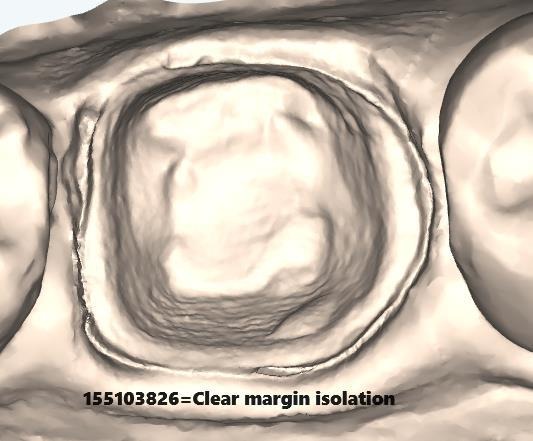
- Maintain clear margin isolation for full visibility.
- Eliminate contamination such as blood or saliva before scanning.
- Review the monochromatic/“stone” view to confirm the margin is captured cleanly and completely.
Step 3: Accurate Bite Registration
A precise bite record is critical to preventing high spots, reducing chairside adjustments, and avoiding potential remakes. Proper occlusion contributes to both patient comfort and restoration longevity.
Scan Tips for an Accurate Bite Record:
- Capture a complete full-arch scan to provide full occlusal context.
- Review the antagonist scan to confirm there are no “bite-through” areas.
- Position the patient correctly to ensure a natural, accurate bite—whether using physical materials or digital scanning.
Step 4: Complete the Lab Prescription Carefully
The lab can only fabricate what it’s instructed to create. A complete and accurate lab prescription allows the lab to fabricate the restoration to your exact specifications. Be sure to include the shade, material selection, and any specific notes, along with high-quality photos if needed. Taking the time to verify all details before submission can prevent costly errors and delays.
Checklist Before Sending the Case:
- Confirm shade, material, and any special instructions.
- Include bite registration and any relevant photos (especially for esthetic zones).
- Use digital case portals to submit and track cases easily and securely.
Step 5: Seat with Confidence
When the prep, scan, and communication are done right, the seat appointment becomes seamless. Your restoration should drop in with minimal adjustment, saving you chair time and increasing patient satisfaction.
Keep in mind:
- Always try in and check contacts and occlusion before cementation.
- Use the appropriate cement based on the restoration material and prep type.
- Have the patient test function before finalizing to ensure comfort.
Conclusion
When each step is executed with care, the final seat becomes quicker, easier, and more predictable. Restorations should require minimal adjustment, with proper fit, function, and esthetics. Always confirm contacts, occlusion, and cement selection before finalizing.
Predictable results come from careful planning, attention to detail, and strong lab communication. By refining your workflow from prep to seat, you can reduce chair time, avoid remakes, and improve patient satisfaction. DDS Lab is here to support you every step of the way with expert guidance, fast turnaround, and reliable quality.
