Analog dentures are familiar.
They are not efficient.
And they are not scalable.
The Structural Limitations of Analog Immediate Dentures
Traditional removable workflows rely on:
- Physical impressions (PVS, liners, stock/custom trays)
- Stone model pouring and articulation
- Manual wax setup and flasking
- Technique-sensitive processing
- Multiple lab shipments
- Material variability
Even when executed well, analog dentures are inherently variable.
Each manual touchpoint introduces distortion risk:
- Impression compression
- Model expansion
- Polymerization shrinkage
- Finishing inconsistencies
In single-doctor environments, variability is frustrating.
In multi-location DSO environments, it becomes operational drag.
Common downstream consequences:
- Extended seat appointments
- Increased post-op adjustments
- Higher remake rates
- Midline shifts and occlusal discrepancies
- Fractures due to material inconsistency
- Schedule disruption
- Patient dissatisfaction
And once the case is complete?
The data is gone.
If the prosthesis fractures, is lost, or requires duplication — the clinical process restarts from zero.
The 3D-Printed Denture Workflow
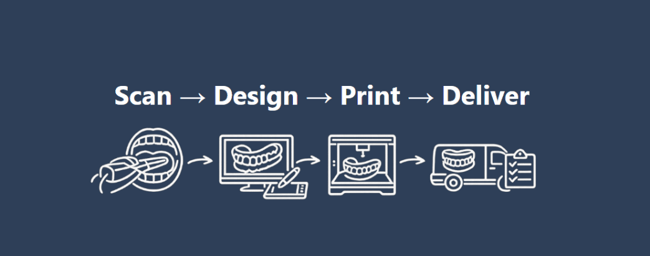
What Changes Operationally
With digital removable workflows, practices gain:
✔ 40–50% reduction in total dentist chair time versus analog
✔ Elimination of 2–3 patient visits
✔ Faster turnaround protecting schedule integrity
✔ Reduced remake and fracture rates
✔ Redeployment of doctor and assistant time to higher-value procedures
✔ Permanent digital records for remakes, duplicates, and Scan & Store
Intentionally Excluded:
✖ Impression material costs
✖ Opportunity cost of doctors avoiding removable cases
✖ Patient retention and referral impact
✖ Billing leakage to local labs
✖ Downstream goodwill from faster remake capability
Even without including these levers, the ROI remains compelling.
Why?
Because chair time is the most expensive asset in a practice.
When removable workflows consume unnecessary visits and unpredictable seat time, they silently erode profitability.
3D-printed dentures convert removable dentistry from a schedule disruptor into a controlled, predictable service line.
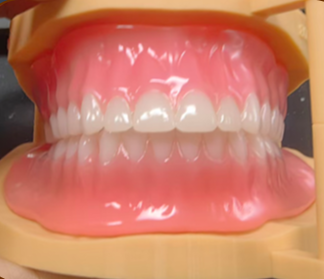
Economic Levers Driving Adoption
Efficiency gains include:
- 40–50% reduction in total dentist chair time versus analog dentures
- Elimination of 2–3 patient visits
- Improved schedule efficiency
- Reduced workflow friction and turnaround variability
- Accelerated time to seat for final prosthesis
By improving consistency, fit, and replicability, 3D-printed dentures reduce remakes, protect chair time, and create a more predictable patient experience. With DDS Lab’s comprehensive 3D removable offerings, including digitally designed immediate dentures, Scan and Store programs, and duplicate capabilities, practices and DSOs can modernize removable dentistry while improving efficiency, protecting schedules, and delivering outcomes patients notice.
